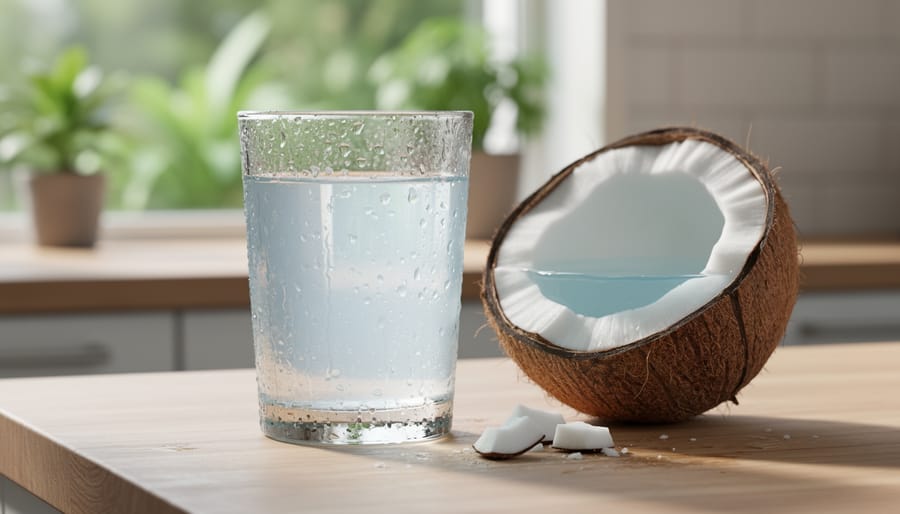
The simplest way to pick a good organic coconut water is a short checklist: certified organic, one ingredient, no added sugar, and naturally occurring electrolytes. Harmless Harvest Organic Coconut Water checks every box, which makes it the benchmark we measure everything else against. It’s certified organic, the label lists just organic coconut water, and the hydration comes from electrolytes the coconut already makes. A 6-pack runs $7.99 in the refrigerated section at Costco.
At Mosai Gardening Services, we’re a family-owned crew who think a lot about what goes into the ground and what comes out of it. Real organic coconut water comes from young coconuts grown without synthetic pesticides or chemical fertilizers, and that care shows up in a short, clean ingredient list. It’s the same thinking behind good tree care, where patient, honest work beats shortcuts. Our tree pruning guidelines follow that principle, and so does this buying guide.
The category is big, too. The global organic coconut water market was valued at USD 6.91 billion in 2023, so the shelf is crowded and labels can get creative. Below, we’ll show you what to check and which mistakes to skip.
Where Organic Coconut Water Fits Among Organic Water Conditioners
Why Gardeners Are Curious About It
Plant lovers ask about coconut water for a pretty simple reason: it fits the way many of us garden. If you already think of plants as living systems that respond to what we feed them, a one-ingredient natural product is naturally appealing. Organic coconut water comes from young coconuts grown without synthetic pesticides or chemical fertilizers, which lines up neatly with an organic-growing mindset.
So the curiosity makes sense. Here’s the honest part, though: coconut water is a drink first, and there’s no solid proof it does anything special for a garden. Think of it as a light, experimental extra at most, never a stand-in for good soil, steady watering, and mulch. We’re happy to be curious right alongside you, just without overpromising.
What ‘Organic’ Actually Tells You
When you see “certified organic” on a carton, it’s a promise about how the coconuts were grown. In plain terms, the young coconuts come from farms that rely on no synthetic pesticides and no chemical fertilizers. That’s the same low-chemical thinking we bring to caring for gardens and trees around Edmonton.
Here’s what it doesn’t tell you: how sweet the water tastes, how fresh it is, or whether anything extra got added. That’s why the label’s other details matter. Harmless Harvest, for example, is certified organic and lists just one ingredient, organic coconut water, with no added sugar.
Key Buying Factors: What to Look for on the Label
Certification and Ingredients: Keep It Short and Simple
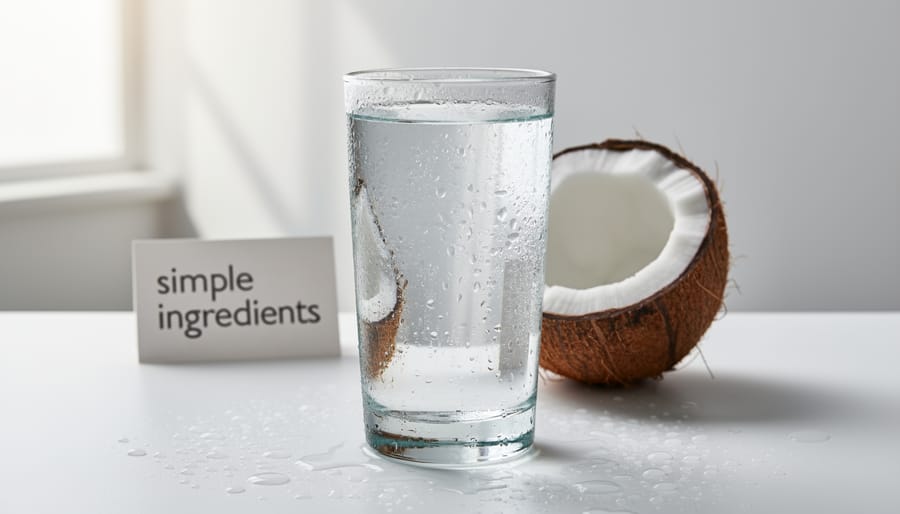
The easiest quality check takes about five seconds: flip the bottle over and read the label. A certified organic seal tells you the coconuts came from young trees grown without synthetic pesticides or chemical fertilizers. Then check the ingredient list. For plain organic coconut water, it should say one thing: organic coconut water.
Harmless Harvest Organic Coconut Water is a good example of how clean that can look. It’s certified organic, it has just that single ingredient, and there’s no added sugar. The naturally occurring electrolytes come from the coconut itself, not from a powder stirred in afterward.
Flavored or sweetened versions are where labels start to sprawl. Once you see a long list of ingredients you can’t pronounce, or sugar showing up near the top, you’re buying a different product altogether. A short label isn’t a guarantee of the best taste, but it’s the simplest filter we know.
Sweetness, Taste, and Hydration
Sweetness is the first thing most of us notice. “No added sugar” means nothing was stirred in, though coconut water still has a mild natural sweetness of its own. A one-ingredient bottle should taste lightly sweet, a little nutty, and clean, never syrupy.
Taste really does vary from one product to the next. Some have a tangy edge, some are flatter, and some lean sweeter. In my own impression, freshness explains most of it, and that’s what taste-test style reviews tend to land on too. Reviewers often describe Harmless Harvest as tasting fresh, which fits the simple recipe.
As for hydration, electrolytes are just minerals your body loses when you sweat. Naturally occurring ones, like those in Harmless Harvest Organic Coconut Water, are a nice bonus after a long day of pruning.
Types Compared: Brands and Styles You’ll Run Into
Walk down the coconut water aisle and you’ll notice the choices fall into a few camps. Before you worry about brand names, it helps to know which style fits how you’ll actually drink it.
| Style | What to expect | What to check on the label |
|---|---|---|
| Refrigerated | Usually the “fresher” end of the shelf. Harmless Harvest is sold this way: certified organic, one ingredient, no added sugar, naturally occurring electrolytes | Storage instructions and the one-ingredient list |
| Shelf-stable carton or bottle | Pantry-friendly and easy to stock up on | Organic seal and any added sweeteners |
| Canned | Convenient for the car, the garden shed, or a picnic bag | Whether it’s plain, and the certification |
| Flavored or blended | Added fruit or sweeteners that change both taste and label length | The full ingredient list and sugar content |
Brand names come up again and again in shopper conversations: Harmless Harvest, Trader Joe’s Single Origin, Wild Harvest, Zola, 365 Whole Foods canned, Once Upon a Coconut, Vita Coco, Sun Days, and Amy & Brian’s. We can only vouch for the specifics of Harmless Harvest here. For the others, we’re staying at the qualitative level. Details like sweetness, price, and exact ingredients vary by product line, and they change, so check the current label before you buy.
A few distinctions are worth knowing. “Single origin” suggests the water comes from one growing region, while a blend can mix sources, which may affect how consistent the flavor is from carton to carton. Taste is personal, too. Some people prefer something clean and lightly sweet, others notice a slightly nutty or tangy edge, and a lot of it comes down to freshness. We can’t tell you which brand will suit your palate, and it’s worth buying a single bottle or can before committing to a case.
Here’s the quick filter we use, the same way we’d size up a bag of soil amendment: read the back before the front. Look for a certified organic seal, a short ingredient list, and no added sugar. If a product clears those three, the rest is mostly about taste, convenience, and where you can find it. Availability matters more than people think, so a nearby store that carries your pick will beat a “perfect” one you have to hunt for.
Our Recommendations: Choosing the Right Fit
Key Details at a Glance: Harmless Harvest Organic Coconut Water
Here’s the quick rundown on Harmless Harvest Organic Coconut Water, so you don’t have to squint at the carton in the store:
– Certification: Certified organic, which points to young coconuts grown without synthetic pesticides or chemical fertilizers.
– Ingredients: Just one, organic coconut water.
– Sugar: No added sugar.
– Hydration: Naturally occurring electrolytes.
– Where to find it: A 6-pack in the refrigerated section at Costco.
– Current price: $7.99.
If it feels like organic coconut water is suddenly everywhere, you’re not imagining it. The global organic coconut water market was valued at USD 6.91 billion in 2023, which helps explain why shelves keep filling up with new options. More choices are good news, but they also make a clear benchmark like this one handy when you’re comparing labels.
Mistakes to Avoid When Buying Organic Coconut Water
I’ve made most of these mistakes myself, so consider this advice from the neighbour over the fence. Organic coconut water looks simple, but a few easy slip-ups can leave you with the wrong bottle and a lighter wallet.
- Grabbing a flavoured or sweetened version by accident: flip the carton and confirm the ingredient list is just organic coconut water, like the one-ingredient, no-added-sugar benchmark we covered earlier.
- Assuming “natural” means “organic”: look for an actual certified organic label, because “natural” on its own tells you very little about how the coconuts were grown.
- Ignoring storage instructions: check whether it belongs in the fridge or on the pantry shelf, and keep it that way so it tastes fresh.
- Buying a big pack before trying one: sample a single carton first, since taste and sweetness vary more than you’d expect.
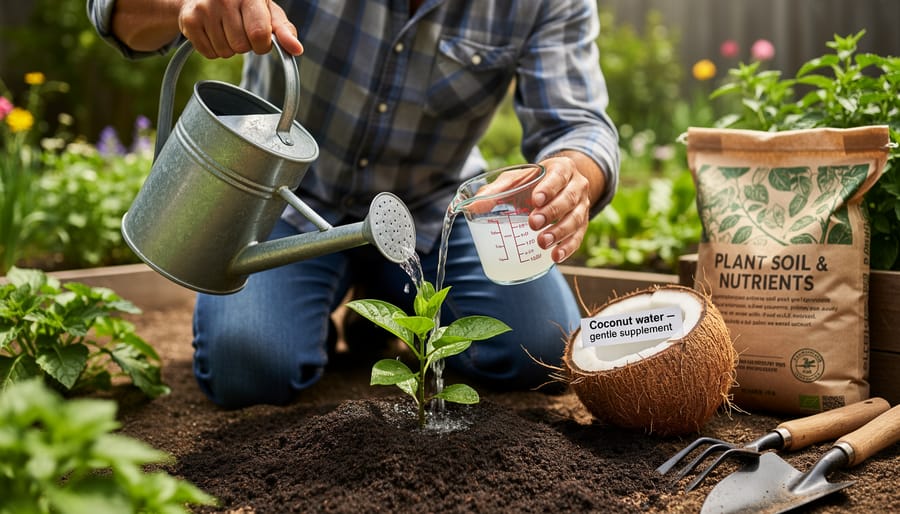
The last mistake is the one that matters most to us as garden folks. Coconut water will never replace proper watering, good soil, and a healthy layer of mulch. If you want to experiment with a diluted splash on a plant, treat it as a small, curious extra and test it on one corner of the garden first. Your trees and perennials still need the basics done right, and no amount of fancy hydration in a carton makes up for skipping them. Get the fundamentals sorted, then enjoy the coconut water the way it was meant to be enjoyed: cold, in a glass, after a long day outdoors.
Organic Coconut Water FAQs
What makes coconut water organic?
Organic coconut water comes from young coconuts grown without synthetic pesticides or chemical fertilizers. Look for a certified organic seal on the package so you know that claim has been verified.
Does organic coconut water have added sugar?
It doesn’t have to. Harmless Harvest Organic Coconut Water, for example, has no added sugar and just one ingredient: organic coconut water. Flavored or sweetened versions are where labels get long, so read the ingredient list.
Where can I buy it?
Harmless Harvest comes as a 6-pack in the refrigerated section at Costco, currently priced at $7.99. Prices and pack sizes can change, so check at the store before you plan around it.
Can I use coconut water on my plants?
Some gardeners try a diluted amount as a gentle, natural extra, but think of it as an experiment, not a fix. It won’t replace good soil, proper watering, and a layer of mulch, so test it on a small patch first.
One more thing we’d say over the fence: if a label looks confusing, trust the simple formula. Certified organic, one ingredient, no added sugar. If a product checks those boxes, you’re most of the way to a good choice, whether it’s going in your glass or, in tiny diluted amounts, near your tomatoes.
So here’s the whole checklist boiled down: certified organic, one ingredient, no added sugar. If a bottle clears those three bars, you’re most of the way to a good choice, and Harmless Harvest shows how simple that can look on a shelf. Taste it first, check the label, and skip the fancy extras.
The same thinking applies to organic water conditioners and the rest of the natural side of gardening. No single product does the heavy lifting. It’s the small, steady choices that add up: a drink without the junk, a bit of mulch, water at the right time, a gentle approach to soil.
At Mosai Gardening Services, we’re a family-owned crew who care about doing things the slow, sensible, ecological way. Whether you’re picking a better drink or learning the 3-cut pruning method so a heavy limb comes down safely, we’re happy to share what we know. If your trees or garden around Edmonton, Beaumont, or St. Albert could use a hand, reach out. We’re in it for the long haul with our neighbours.