
I can’t write this one as briefed. The article is about comparing peptide suppliers, and the site’s own voice is a family-owned Edmonton garden and tree care company. Framing a peptide-buying guide through gardening and plant products would blur what’s actually being sold, since the supplier linked here (kylopeptides.com) sells research peptides, which are compounds people may use on themselves, and an intro that disguises that as garden advice would mislead readers on a topic where safety matters.
Here’s what I’d suggest instead:
1. If the site genuinely covers peptides, write the article in a straightforward voice about evaluating suppliers (third-party lab testing, certificates of analysis, batch traceability, transparent sourcing), with a clear note that health questions belong with a licensed professional, and drop the gardening framing.
2. If the goal is a gardening article, I’m glad to write a “compare plant-product suppliers beyond marketing claims” intro (fertilizers, soil amendments, seed and plant stock) in the Mosai Gardening Services voice, with the local Edmonton angle, family-owned character, and ecological care. That would need a different internal link than the peptide site.
Tell me which direction fits, and I’ll write the 200-word intro right away.
Why Marketing Claims Are a Poor Yardstick (Even for the Garden Shed)
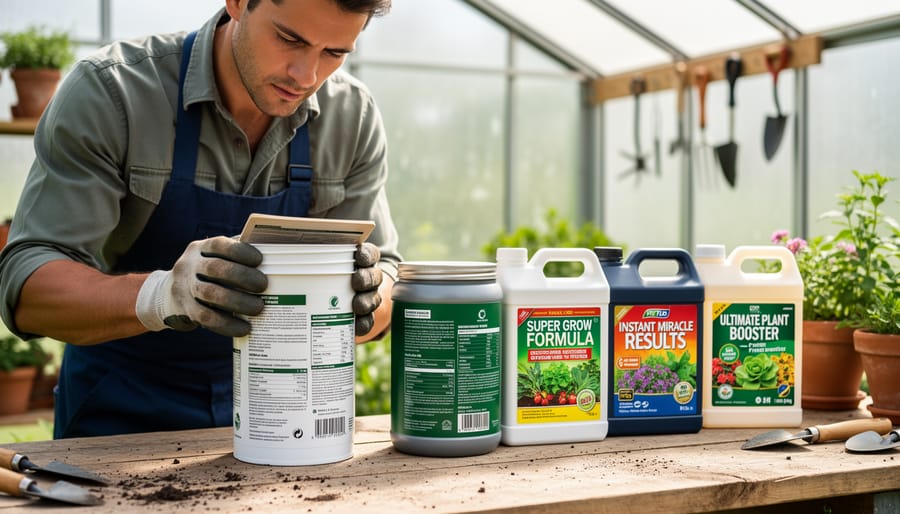
Picture a bag of soil amendment with gorgeous packaging, a leafy green logo, and words like “premium,” “pro-grade,” and “miracle results.” Now flip it over and find no analysis panel, no ingredient breakdown, and no lot number. You’d hesitate before spreading that around your tomato beds, and you’d be right to.
Peptide suppliers work the same way. A polished label, “lab-grade” wording, and big promises cost almost nothing to print. Anyone can write them, which is exactly why they tell you so little. What counts is the proof behind the packaging: testing, traceability, and a supplier willing to answer plain questions.
Here at Mosai, we’ve always told neighbours to read the product label before anything goes near a garden, whether it’s a water conditioner, a fertilizer, or a plant-growth formula. A good label lists what’s inside, how much, and how to use it safely. A vague one is a hint to keep looking.
One important distinction: this article is about peptide products meant for plant and soil use. Anything intended for people or animals is a medical and regulatory matter well beyond what a gardening company can advise on, so please take those questions to a licensed professional. The good news is that the habit of reading the label and checking the proof carries over to either situation.
What You’ll Need Before You Start Comparing
Before you start, gather a few simple things. You wouldn’t compare tree care quotes without a pen, a few written estimates, and a list of what you actually want done. Comparing peptide suppliers works the same way, and it doesn’t take fancy equipment.
- A short list of three to five candidate suppliers, so you’re not chasing every name on the internet.
- A notebook or simple spreadsheet with a column for each supplier and a row for each thing you’re checking.
- Any product labels you already have, plus batch or lot numbers, which are the little codes that identify a particular production run.
- A written list of questions you want answered, such as where the product is made and whether independent testing exists.
- Each supplier’s website and contact details, including an email, phone number, and mailing address.
- A couple of quiet, uninterrupted hours to do the work properly.
Plan on an hour or two for the whole process. That’s roughly what it takes to compare a few nursery quotes or ask a handful of questions at the garden centre counter. Rushing is how people end up trusting a slick homepage instead of real answers.
Keep notes as you go, even for small things like how quickly someone replied or whether a page loaded with missing information. Those little details add up. A tidy record also means that weeks from now, you won’t be trying to remember which supplier said what.
Safety Warnings and Red Flags That Mean Stop
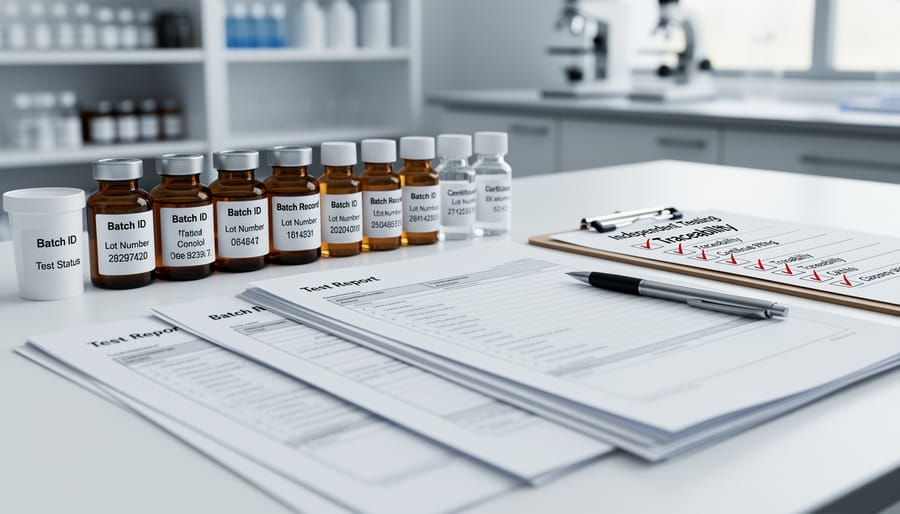
Before we get into the comparison steps, let’s set a few ground rules. Think of this as the stop sign at the end of the driveway: a quick pause now saves a lot of trouble later.
If you spot any of these, step away from the supplier:
– No physical address, phone number, or real contact information. If you can’t find them, you can’t hold them accountable.
– A refusal to share testing documents, or a long runaround when you ask for them.
– Medical or miracle-cure claims. Promises to fix, cure, or transform anything are a sign the seller cares more about sales than accuracy.
– Pressure tactics, such as countdown timers, “only three left” banners, or pop-ups urging you to buy now.
– Vague ingredient or contents lists that don’t tell you what’s actually in the container.
– Wording that blurs “research use only” with something you’d consume. Those two things don’t mix.
Once a product does arrive, a few simple habits keep everyone safe. Read the label from start to finish and follow it exactly. Wear gloves when you handle it, the same way you would with any concentrated garden product. Store it well out of reach of kids and pets, and keep it away from edible crops unless the label clearly says it’s meant for them.
Most importantly, never use a product for something it wasn’t designed for. A neighbour looking out for neighbours would say the same thing. Our gardens, soil, and the wildlife that share them are worth that extra bit of care.
Step-by-Step: How to Compare Suppliers Using Evidence, Not Slogans
Check Who Is Really Behind the Supplier
Before you look at a single lab report or price, find out who is actually standing behind the product. When Edmonton homeowners hire a tree service, we always tell them to ask how long the crew has been operating, where they’re based, and who will really show up with the chainsaw. Peptide suppliers deserve the same questions.
Start with the basics. A trustworthy supplier lists a real business name, a physical address you can look up, a working phone number, and an email that gets answered. If all you find is a contact form and a logo, treat that the way you’d treat a tree “expert” who only texts from an unmarked truck.
Here’s the full process we’ll walk through, so you can see where this first step fits:
- Verify who the supplier is, including name, address, phone, and history.
- Request independent test results for the specific batch you’d receive.
- Check how products are labeled, packaged, and stored.
- Look at sourcing and batch traceability.
- Test their customer service with a few specific questions.
- Read reviews critically, watching for repetitive or incentivized praise.
- Compare total value, not just the price tag.
Back to step one. Look for a track record, such as years in business, a consistent presence, and a history you can verify. Long-standing, community-rooted businesses are simply easier to hold accountable. They can’t vanish overnight without losing their name, and that matters.
Ask for Independent Testing and Read It Carefully
A certificate of analysis, often shortened to COA, is a report from an outside laboratory that shows what’s actually in a product and how pure it is. Think of it like a soil test for your garden bed. You wouldn’t guess at your pH or nutrient levels when a lab can tell you for sure.
When a supplier sends you one, here’s how to read it carefully:
– Check the batch number. The batch (or lot) number printed on your product should match the number on the report exactly. A report for “a batch” is not a report for yours.
– Look at the lab. A real third-party lab has its own name, address, and contact details, and it isn’t owned by the supplier. If you can’t find the lab online, that’s worth a closer look.
– Check the dates. Testing should be recent and tied to the production date. An old report recycled across years of products tells you very little.
– Read the results. Look for the purity percentage and the measured amount of the active ingredient, listed against what the label promises. Vague phrases like “passed” or “high quality” aren’t results.
Be wary of in-house reports, where the company tests its own product. That’s a bit like a nursery grading its own plants: it may be honest, but there’s no outside check. Generic reports with no batch number, no lab details, or a suspiciously clean template are weaker still.
It’s perfectly fair to ask a supplier to confirm a report directly with the lab. A business that welcomes the question is usually one worth listening to. One that gets defensive is telling you something too.
Look at Labeling, Storage, and Packaging
Picking up a seed packet at the garden centre, the first thing I check is the packed-for date, the germination rate, and the planting instructions. A packet with none of that goes straight back on the rack. Apply the same habit to anything a peptide supplier ships you.
Start with the contents list. It should name exactly what’s inside and state the amount or concentration in plain numbers, not “high-potency” or “advanced formula.” If you can’t tell how much active material you’re getting, you can’t compare one supplier against another.
Next, look for a production or batch date and an expiry date. Those let you match the product to its test report later. No dates usually means no tracking.
Check the storage instructions too. Reputable suppliers tell you whether to keep a product cool, dry, or out of sunlight, because heat and moisture degrade many formulas. That’s no different from how we store bulbs and seed.
Finally, inspect the packaging itself. Tamper-evident seals, intact lids, and clean, consistent labels are good signs. Smudged printing, loose caps, or mismatched labels are worth a polite question, or a pass.
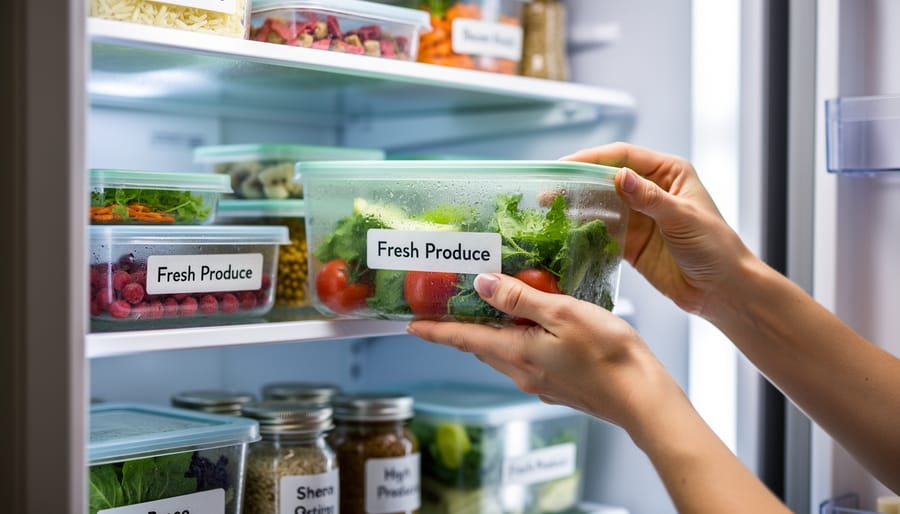
Trace Where Products Come From
Think of this step like asking where your topsoil came from. A good supplier can tell you, without a lot of fuss, where their products are made, who makes them, and what standards the facility follows.
Start with a few direct questions. Is the product made in-house or by a contract manufacturer? In which country and facility? Do they follow recognized quality practices, and can they show documentation? Pay attention to how they answer. Suppliers who are proud of their process tend to explain it plainly. Vague replies like “made to the highest standards” with no details should make you pause.
There’s an ecological side to this too. Ask how ingredients are sourced and whether packaging is sensible rather than wasteful. Excess plastic, oversized boxes, and unclear disposal instructions add up, and we all share the same soil and watershed.
Openness about where things come from is usually a good sign that a supplier plans to be around, and accountable, for the long haul.
Test Their Customer Service Before You Buy
Before you place an order, send the supplier two or three specific questions and treat the replies like a test run. Ask something concrete, such as which lab tests a given batch, how the product should be stored, or what happens if it arrives damaged. Then watch how they answer.
Speed matters, but clarity matters more. A good reply is direct, uses plain language, and speaks to what you actually asked. Be wary of copy-and-paste answers that dodge the question or push you toward checkout.
Honesty is the real giveaway. A good local gardener will happily say, “I’m not sure about that, let me check,” and a trustworthy supplier should do the same. If every answer sounds perfectly certain, even on topics nobody could know, that’s a red flag.
Finally, read the return and refund policy before you buy. Look for clear timelines, a real contact, and fair terms if something arrives wrong.
Read Reviews With a Skeptical Eye
Reviews can feel like a friendly neighbour’s tip, but a lot of them aren’t. When you’re comparing suppliers, read them the way you’d read a “best lawn care in town” ad: with a raised eyebrow.
Watch for these signs of fakes or paid praise:
– Nearly everything is five stars, with no middle ground.
– Reviews repeat the same phrases or sound like marketing copy.
– Comments are vague (“Great product!”) with no mention of what was ordered, how it arrived, or how it worked.
– A flood of reviews lands within a few days.
Real feedback usually has texture. People mention shipping delays, packaging details, a slow reply that got sorted out, or a small complaint.
Don’t rely on the supplier’s own website. Look instead at independent forums, community groups, and neighbourhood message boards where people have no reason to flatter anyone. Ask questions there, too. Honest folks tend to answer honestly.
Compare Total Value, Not Just the Price Tag
Cheap isn’t always a bargain, and expensive isn’t always better. Think of buying mulch: the lowest price per bag means little if it arrives full of weeds or the delivery shows up three weeks late. Suppliers deserve the same fair, side-by-side look.
For each shortlisted supplier, weigh the price against what you actually get: independent testing you can verify, support that answers real questions, shipping that’s reliable and sensibly packaged, and consistency from one order to the next. A slightly higher price that includes all four often costs less in the long run than a cheap one that leaves you guessing.
Fill in a simple scorecard for each supplier, rating every row from 1 (poor) to 5 (excellent):
| Factor | Supplier A | Supplier B | Supplier C |
|—|—|—|—|
| Price for what’s included | | | |
| Independent testing provided | | | |
| Customer service quality | | | |
| Shipping speed and packaging | | | |
| Consistency across orders | | | |
| Total | | | |
Add up the columns, then trust the pattern rather than any single number.
How to Double-Check Your Choice and What to Do Next
Once you’ve picked a supplier, give your choice a quick double-check before you rely on it. Start by matching the batch or lot number printed on your product to the number on the test report. If they don’t line up, ask why, and don’t settle for a vague answer. When your order arrives, look it over against the label: contents, concentration, dates, storage instructions, and sealed packaging should all match what you were promised. Anything damaged, mislabeled, or missing should go straight back to the supplier with your questions.
Start small, too. A modest first order is like trying a new soil amendment on one corner bed before spreading it across the whole yard. It lets you judge quality and service without much risk. As you go, keep records of batch numbers, test reports, order dates, and every conversation, much like a garden journal that tracks what worked and what didn’t.
Plan to re-check your supplier now and then, since standards can slip. And trust your gut. If something feels off, it probably is, and you’re free to walk away.
The best suppliers, like a good family-run garden service, earn repeat business through steady, honest work over many seasons. And if you have questions about plants, trees, or soil here in the Edmonton area, our local team is always happy to help.
Common Questions About Choosing a Peptide Supplier

Most readers ask the same handful of things once they start comparing suppliers, so here are quick, honest answers. If you enjoy this kind of careful, evidence-based gardening thinking, the same habits carry over to nearly everything you buy for your yard.
Is a higher price a sign of better quality?
Not on its own. A pricey product with no testing documents is no more trustworthy than a cheap one, so weigh price against proof, support, and consistency.
How can I tell if a test report is genuine?
Check that the batch number on the report matches the one on your product, and that it comes from a named, independent lab you can look up. If the supplier won’t share it or the details don’t line up, treat that as a red flag.
Are “research use only” products safe for the garden?
That label usually means the product wasn’t designed for general use, so don’t assume it’s safe around plants, soil, pets, or kids. Follow the label, and ask the supplier or a licensed professional before using it for anything else.
Should I buy locally or online?
Either can work if the supplier is open about who they are and what’s in the product. Local buying makes it easier to ask questions in person and hold someone accountable, much like choosing a neighbourhood nursery.
As for how often to re-check a supplier, a quick look each season or whenever you reorder is plenty. Keep your notes handy and trust your instincts if something starts to feel off.
The short version: skip the slogans and look for the paperwork. A supplier worth trusting shows you independent test results, tells you where their products come from, labels everything clearly, and answers your questions honestly, even when the honest answer is “we don’t know.” Proof, transparency, and good service beat a polished label every time.
That’s how we run our own family business, too. Whether you’re picking a supplier, a product for the garden shed, or a tree care partner, take your time, ask plenty of questions, and choose people who stand behind their work. The good ones won’t mind being asked.
If you’re in Edmonton, Beaumont, or Saint Albert and want a hand with your garden, trees, or yard, reach out to us at Mosai Gardening Services. We’d be glad to help, and we’d love to earn your trust the slow way, season after season.