
Yes, plants are biological. They’re living organisms made of cells, tissues, and organs that grow, reproduce, respond to their environment, and carry out metabolic processes like photosynthesis. This isn’t just a textbook answer. Understanding that plants are living systems changes how Edmonton homeowners approach landscape design, particularly when you’re thinking about using greenery as natural security barriers around your property.
Here at Mosai, we’ve spent years working with Edmonton families who want their yards to do more than look pretty. When you grasp that plants are dynamic biological systems rather than static decorations, you start making smarter choices about what to plant, where to place it, and how to maintain it for long-term health. A thorny rose hedge doesn’t just deter intruders because it has sharp bits. It grows denser over time, responds to pruning by sending out new shoots, and adapts to our Alberta climate through biological processes you can work with instead of against.
This article breaks down what makes plants biological in practical terms, explains how these living security systems function in your yard, covers the types of plants that work best as natural barriers in Edmonton’s climate, and walks you through real-world applications. Whether you’re protecting a vegetable garden from wildlife or creating privacy screening along your property line, knowing you’re working with living organisms helps you build landscapes that get stronger and more effective year after year.
What Makes Plants Biological Organisms
Plants qualify as biological organisms because they possess all the shared characteristics of life that scientists use to distinguish living things from non-living matter. When you watch a seedling push through soil or notice leaves turning toward sunlight, you’re observing these biological processes in action. Understanding what makes plants living organisms helps homeowners recognize their gardens as dynamic ecosystems rather than static decorations.
- Cellular Structure
- Plants consist of organized cells with specialized structures, including cell walls that provide rigidity and chloroplasts that capture sunlight. These cells work together in tissues and organs like roots, stems, and leaves.
- Metabolism
- Plants convert sunlight, water, and carbon dioxide into energy through photosynthesis, while also breaking down stored nutrients for growth and repair. This constant chemical activity powers every function from root growth to flower production.
- Growth and Development
- Plants increase in size and complexity throughout their lives, with meristems (growth zones) continually producing new cells. A tiny maple seed develops into a mature tree through decades of programmed biological growth.
- Reproduction
- Plants create offspring through seeds, spores, runners, or vegetative propagation, passing genetic information to the next generation. Your perennial flowers returning each spring demonstrate this biological capacity.
- Response to Stimuli
- Plants react to their environment by growing toward light, opening and closing stomata based on moisture, and adjusting root direction around obstacles. These responses happen continuously, though often too slowly for casual observation.
- Homeostasis
- Plants maintain internal balance by regulating water uptake, controlling temperature through transpiration, and managing nutrient distribution. This self-regulation keeps them alive through Edmonton’s temperature swings.
These biological traits work together as an integrated system. When you prune a shrub, the plant responds by directing energy to new growth points. When frost threatens, hardy varieties adjust their cellular chemistry to prevent ice damage. Every Edmonton garden showcases these living processes, from spring bulbs responding to soil temperature changes to evergreens maintaining metabolic functions through winter. Recognizing plants as biological organisms changes how you approach garden care, turning maintenance into partnership with living systems that actively grow, adapt, and protect themselves.

How Plants Work as Biological Security Systems
Chemical Defense Mechanisms
Plants manufacture their own chemical security systems right down at the cellular level. When a leaf gets chewed or a root senses stress, the plant ramps up production of defensive compounds, alkaloids, terpenes, phenolics, that taste bitter, smell repellent, or outright poison whatever’s attacking. These secondary metabolites deter herbivores and pathogens without the plant needing to move a single stem.
Some compounds work as direct toxins. The nicotine in tobacco relatives, for instance, kills insects on contact. Others are more subtle: certain plants emit volatile oils that confuse pests’ sense of smell, making your prized tomatoes invisible to aphids scanning the garden. Many shrubs in Edmonton yards produce tannins that make their leaves unpalatable, so deer move on to easier meals.
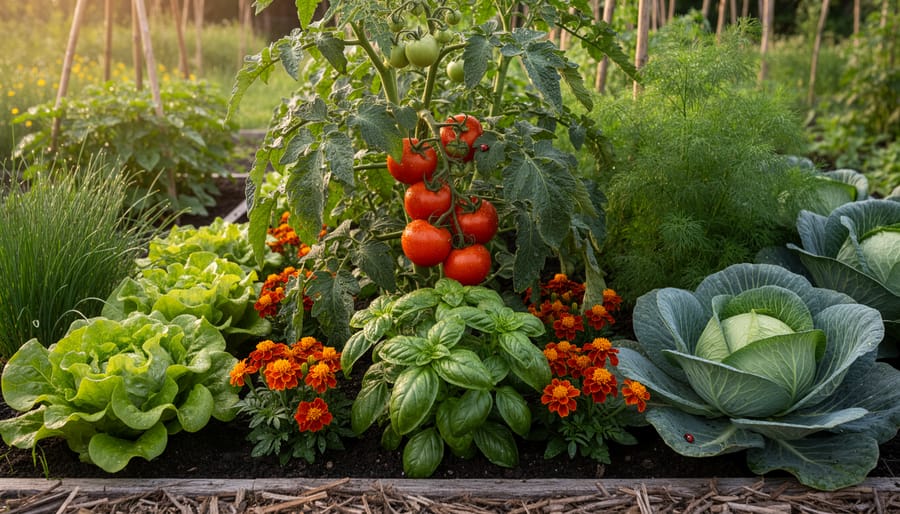
What’s remarkable is the zone effect. Plants don’t just protect themselves, they release these chemicals into the soil and air around them, creating a defensive bubble that can shield nearby plants. Marigolds are famous for this: their roots exude compounds that suppress nematodes in the surrounding soil, giving neighboring vegetables a fighting chance. It’s biological security working on behalf of the whole garden, not just the individual.
Physical Barriers and Structures
Walk up to any rose bush or hawthorn hedge and you’ll see plant biology’s most obvious security system: sharp thorns that make casual browsing painful for deer and rabbits. These physical plant defense barriers are living tissue modified specifically for protection. Thorns aren’t decorative, they’re biological weapons that Edmonton gardeners can use to create natural fences along property lines.
Beyond spikes, plants grow thick bark that shields vulnerable inner tissue from cold, insects, and mechanical damage. Mature spruce trees develop protective armor that younger specimens lack. Many leaves sport waxy coatings that repel water and prevent fungal spores from taking hold, which is why some shrubs stay healthier than others in our humid summers.
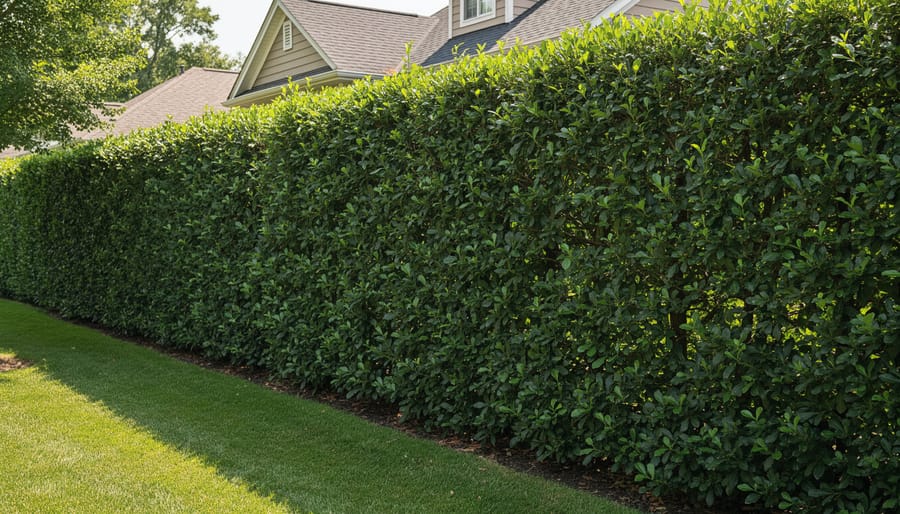
Dense foliage creates its own security layer. A properly maintained cedar hedge forms such tight growth that animals can’t push through, while the sheer mass of branches makes it difficult for pests to reach the interior. These structures aren’t static, they respond to pruning and grow thicker where they sense damage, constantly adapting their biological defenses to threats.
Communication and Warning Systems
Plants don’t just defend themselves in isolation, they actively warn their neighbors when danger arrives. Through underground fungal networks called mycorrhizal connections, plants share nutrients and transmit chemical signals about pest attacks or disease presence. When one plant gets invaded by aphids, it can alert nearby plants through these root highways, giving them time to ramp up their own chemical defenses before the threat spreads.
Above ground, plants release volatile organic compounds into the air when damaged. These airborne messages travel on the breeze, triggering defense responses in surrounding plants. A tomato plant being chewed by caterpillars will emit specific chemicals that prompt neighboring tomatoes to produce bitter-tasting compounds, making themselves less appealing to the approaching pests.
This communication network explains why gardens often resist problems better when planted with diversity rather than monocultures. More plant species means more communication pathways and layered defense responses. Your Edmonton garden operates as a biological neighborhood watch, with plants constantly exchanging information about threats and coordinating protective measures through both soil and air.
Types of Plant Security Systems for Your Property
Barrier and Boundary Plants
Thorny shrubs and dense hedges serve as living fences that deter both unwanted visitors and wandering pets. Hawthorn creates impenetrable barriers with thorns up to two inches long, while its white flowers and red berries add seasonal interest. Rosa rugosa thrives in Edmonton’s climate, producing fragrant blooms alongside formidable prickles that discourage shortcuts through your yard.
Caragana hedges grow thick enough to block sight lines and foot traffic, tolerating our cold winters without complaint. They reach six to eight feet tall and require pruning just once yearly to maintain their defensive wall. Ninebark offers similar density with the bonus of peeling bark that adds winter texture.
For lower boundaries, dwarf spirea varieties form tight mounds that mark property lines without obstructing views. Pair them with taller plants in layers to create graduated security that looks intentional rather than fortress-like.
The key is selecting species that match your security needs while complementing your landscape design. A well-placed barrier plant protects your garden investment while increasing curb appeal, unlike chain link or wood panels that deteriorate over time.
Pest-Repelling Plant Systems
Certain plants have evolved powerful biological defenses that make them natural pest controllers in your garden. Marigolds release a pungent compound from their roots that repels soil nematodes and aphids, while their bright flowers mask the scent of vulnerable vegetables nearby. Lavender’s essential oils confuse and repel moths, fleas, and mosquitoes, plant it near patios or entryways to create comfortable outdoor spaces.
Strong-scented herbs like rosemary, mint, and chives produce volatile compounds that deer and rabbits avoid, protecting more vulnerable plants in your beds. Catnip’s nepetalactone repels mosquitoes more effectively than some commercial repellents, though you’ll want to place it strategically if neighborhood cats visit your yard.
Alliums, onions, garlic, and ornamental varieties, emit sulfur compounds that deter aphids, carrot flies, and Japanese beetles. Plant them throughout your vegetable beds rather than clustering them in one spot. Their biological pest control works best when distributed across the garden, creating overlapping zones of protection that make your entire property less attractive to common Edmonton garden pests.
Disease-Resistant and Hardy Varieties
Plants built to survive Edmonton’s harsh winters and unpredictable springs don’t just endure, they actively resist disease through their biological design. These hardy varieties have evolved or been bred with cellular defenses that make them naturally resilient, requiring less chemical intervention and creating more reliable security over time.
Disease resistance starts at the genetic level. Some plants produce antimicrobial compounds in their leaves and bark that prevent fungal infections before they take hold. Others have thicker cell walls that physical pathogens struggle to penetrate. When you choose varieties like Brandon Cedar or Amur Maple for your property, you’re selecting plants whose biological systems already fight common Edmonton diseases like fire blight and needle cast.
Hardy varieties also recover quickly from environmental stress. Their root systems store energy reserves that let them bounce back after harsh winters or late frosts, maintaining their protective structure year-round. A struggling plant becomes a weak link in your security system, but a biologically robust one keeps functioning even under pressure.
Cold hardiness works hand-in-hand with disease resistance. Plants rated for Zone 3 or lower have cellular adaptations that prevent ice crystal damage, keeping their tissues healthy and less susceptible to opportunistic infections that target weakened plants. This biological toughness means your defensive hedges and barriers stay effective through all seasons, providing consistent protection with minimal maintenance intervention.
Practical Uses of Plant Security Systems in Edmonton Gardens
Edmonton’s climate and wildlife present unique challenges that make plant-based biological security systems particularly valuable for local homeowners and businesses. Understanding how to apply these living defenses creates practical protection that works year-round while enhancing your property’s appearance.
Property line security starts with strategic placement of defensive plants that discourage trespassing while clearly defining boundaries. Dense hedges of Caragana or Siberian Peashrub create thorny barriers that discourage both human intrusion and wandering pets. These hardy shrubs survive our harsh winters and form impenetrable walls when properly maintained. For businesses in Saint Albert and Beaumont, combining decorative stone with defensive plantings creates professional-looking perimeters that serve multiple purposes.
Garden protection requires layering different biological security approaches. Vegetable gardens benefit from surrounding companion plants that confuse or repel common pests. Marigolds planted between tomato rows deter aphids and whiteflies through their scent compounds, while nasturtiums act as trap crops that draw cabbage worms away from your prized vegetables. The biological advantage here is that these systems work continuously without requiring homeowner intervention once established.
For integrated pest management around your home’s foundation, select plants that naturally discourage the specific threats you face. Lavender and mint varieties create aromatic barriers that repel ants and spiders seeking entry points. These perennials spread their protective zones through root systems and airborne compounds, creating invisible chemical shields around vulnerable areas. Position them near basement windows, door thresholds, and utility penetrations where pests commonly enter.
Wildlife deterrents require understanding animal behavior and plant biology together. Deer avoid properties with strong-scented plants like Russian Sage and ornamental alliums distributed throughout the landscape. The biological compounds in these plants signal danger to browsing animals. For smaller mammals like rabbits, prickly rose bushes around vulnerable plantings create physical barriers that redirect wildlife to less protected areas of your property.
Common applications for Edmonton homeowners include:
- Protecting vegetable gardens from deer and rabbits using thorny Rosa rugosa hedges and strong-scented herbs
- Creating privacy barriers with dense evergreen walls that block sight lines year-round
- Natural pest control around home foundations using lavender, catmint, and other aromatic perennials
- Winter security considerations including evergreen selections that maintain protective barriers when deciduous plants are dormant
Winter security deserves special attention in Alberta’s climate. Evergreens like Colorado Spruce and Mugo Pine maintain their defensive structures through snow and cold, providing consistent barriers when deciduous security plants are bare. Plan your biological security system with seasonal transitions in mind, ensuring year-round coverage through strategic combinations of plant types. Properties that rely solely on deciduous defensive plants lose protection for five months annually, creating seasonal vulnerabilities that persistent pests and wildlife quickly learn to exploit.
Maintaining Your Biological Security System
Your plant-based security system only works when it’s healthy. Dead branches, overgrown shrubs, and stressed plants lose their defensive capabilities, think weak spots in a fence. Regular maintenance keeps these biological barriers strong and effective year-round.
Pruning for Protection
Strategic pruning strengthens security features rather than diminishing them. For thorny barrier plants like roses or hawthorn, prune to maintain density at human height, typically between three and six feet, where deterrence matters most. Remove interior branches that create gaps intruders could push through, but keep the outer canopy thick. With hedges serving as boundaries, shear the top narrower than the base so sunlight reaches lower branches; this prevents the sparse, leggy bottom growth that compromises security.
Seasonal Care in Edmonton’s Climate
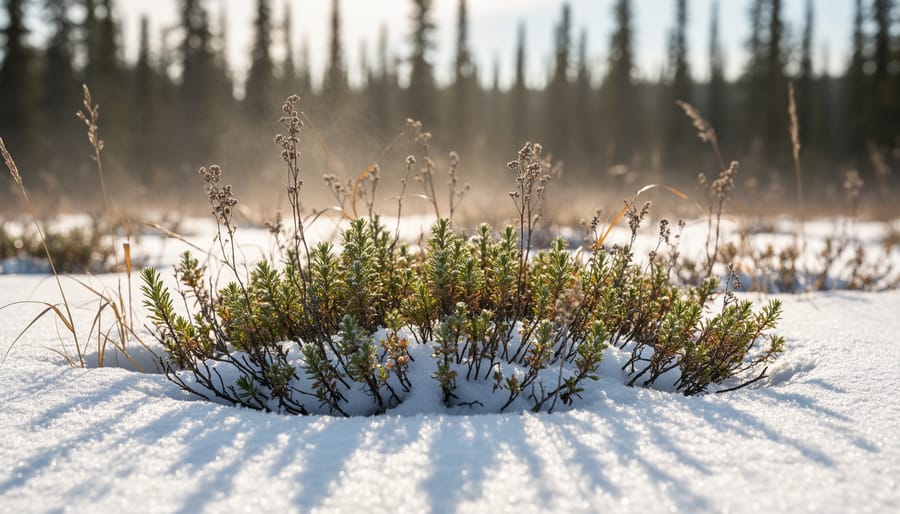
Edmonton’s extreme temperature swings demand specific timing. Prune most security shrubs in late winter before spring growth starts, typically March in our region, when plants direct energy toward filling gaps you’ve created. Apply mulch in fall to insulate roots through -30°C winters; stressed plants produce fewer defensive compounds. Water deeply before ground freeze to prevent winter desiccation that weakens thorny shrubs and evergreen barriers.
Spring demands inspection. Check for winter damage, disease spots, and pest overwintering sites. Remove compromised growth immediately, these become entry points for larger problems that spread through your biological defenses.
Professional Enhancement
Complex security systems, mature hedgerows, large defensive trees, integrated multi-species barriers, benefit from professional assessment. Certified arborists identify structural weaknesses, disease vulnerabilities, and growth patterns affecting security function. They’ll prune with security goals in mind while maintaining plant health, something difficult for homeowners to balance without training.
Types or components
Every plant operates through four interconnected biological systems that work together to create a living, responsive organism. The cellular structure forms the foundation, millions of specialized cells organized into tissues that handle specific jobs like water transport, food storage, and reproduction. These cells contain chloroplasts, the powerhouses that convert sunlight into energy through photosynthesis.
The metabolic system manages all chemical reactions within the plant, breaking down nutrients, building new tissues, and producing defensive compounds. This system runs 24/7, even when the plant appears dormant during Edmonton winters.
Reproductive mechanisms ensure species survival through seeds, spores, or vegetative propagation. Each method represents sophisticated biological programming that responds to environmental triggers like day length and temperature.
Finally, the response network lets plants detect and react to their surroundings. Root systems sense water and nutrients, leaves track sunlight, and chemical messengers coordinate defenses against threats. These four components work as one integrated biological system, making plants far more complex than they might appear at first glance.
Plants are indeed biological organisms with intricate defense systems that rival any manufactured security solution. Every shrub, tree, and perennial in your garden actively works to protect itself and its neighbors through chemical signals, physical barriers, and underground communication networks. When you recognize your landscape as a living security system, you start seeing pruning, plant selection, and placement as strategic decisions that build long-term protection for your property.
Do plant security systems work in Edmonton winters?
Yes, many defensive plants like spruce, juniper, and hardy shrubs maintain their protective barriers year-round. Winter-hardy thorny shrubs and evergreens continue providing physical security even under snow.
How long before plants become effective security?
Most barrier plants provide noticeable protection within 2-3 growing seasons, with full effectiveness by year five. Strategic pruning and proper care accelerate development.
Can I combine plants with other security measures?
Absolutely. Plant-based systems complement fencing, lighting, and alarms by adding natural layers that deter wildlife and create privacy while enhancing curb appeal.
What maintenance do these systems need?
Annual pruning, seasonal mulching, and monitoring for disease keep biological defenses strong. Professional care ensures plants remain healthy and effective as protective barriers.
For over 21 years, we’ve helped Edmonton families design gardens that protect while they beautify. We’ve watched hedges grow into living fences and seen thorn-covered shrubs turn problem areas into secure, attractive spaces. Our team understands which biological systems thrive in our climate and how to maintain them for maximum effectiveness. We build relationships with homeowners who value gardens as investments in their property’s health and security. When you’re ready to create a landscape that works as hard as you do, we’re here to guide you through every season.